
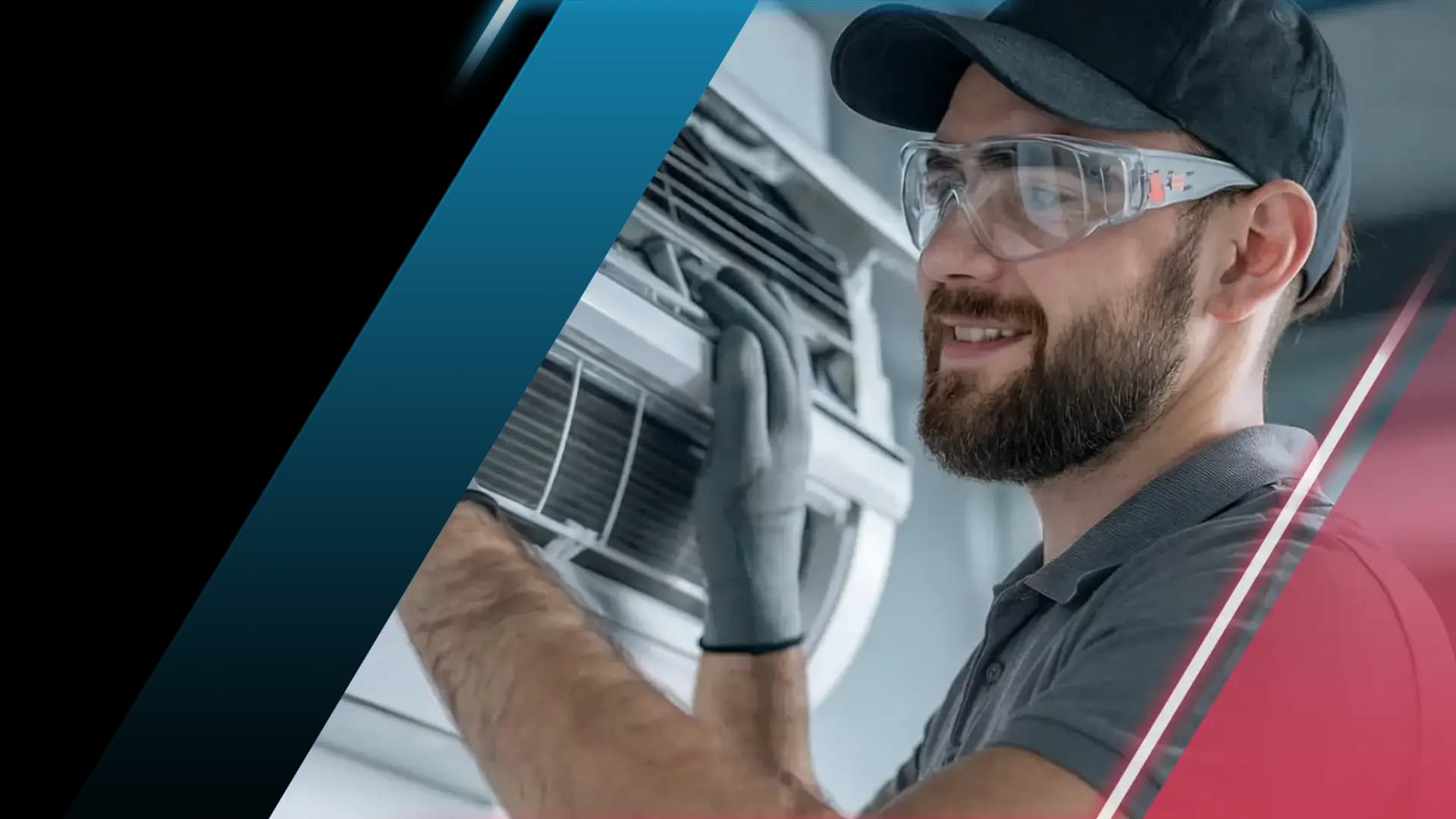
Why Winter Is the Best Time to Evaluate Your AC
Most Los Angeles homeowners stop thinking about air conditioning once winter arrives. That is a mistake. Southern California winters stay mild, and spring heat can show up as early as March. That gives you a short window to assess your system before demand spikes.
Scheduling an inspection now means shorter wait times and more flexibility. Once temperatures climb, HVAC companies get flooded with calls. Technicians are harder to book, and parts may take longer to arrive. A winter evaluation lets you make decisions without the pressure of a heatwave.
If your system needs a minor fix, a technician can handle it quickly during the off-season. If it needs a full replacement, you have time to compare options, secure financing, and schedule the installation around your life. Planning ahead keeps you in control.
Signs Your AC Unit Just Needs a Repair
Not every problem means your air conditioner is finished. Many common issues point to a straightforward repair rather than a replacement. Catching them early keeps costs low and prevents bigger breakdowns later.
Here are signs that usually call for a repair. Weak airflow from one or two vents often means a clogged filter, a blocked return, or a duct problem. Strange sounds like buzzing, clicking, or rattling at startup can indicate a loose or worn mechanical part. Short cycling, where the system turns on and off in quick bursts without cooling the house, may stem from a thermostat issue or a refrigerant imbalance.
All of these are fixable. A seasonal tune-up can reveal them before they grow into expensive failures. If your system is relatively new and the problem is isolated, a repair is almost always the right move.
When a Full AC Replacement Makes More Sense
Repairs solve most short-term problems. But there comes a point when replacing the entire unit is the smarter investment. AC systems do not last forever, and holding onto one too long can cost more than upgrading.
Consider replacement if you have had multiple repairs in the past year and the system still underperforms. A unit that is 10 to 15 years old and struggles to reach your thermostat setting is losing efficiency. Rooms that feel uneven despite filter changes and duct inspections suggest the system can no longer distribute air properly.
Older units also run on outdated technology. The R-22 refrigerant phase-out is now complete in 2026, so any system still designed for R-22 cannot be recharged legally. Replacement is the only path forward for those units. Modern systems use R-410A or newer refrigerants, run more efficiently, and pair well with smart thermostats for better comfort control.
If the same issue keeps returning after multiple fixes, that is a clear signal. Replacing the unit now, before peak cooling season, gives you time to choose the right system for your home.
How Los Angeles Climate Affects Your Decision
Southern California homeowners rely on air conditioning more than most of the country. In many parts of Greater Los Angeles, the San Fernando Valley, and Orange County, AC runs from early spring through late fall. That is six to eight months of heavy use each year.
This extended cooling season puts more wear on your system than a home in a cooler climate would experience. A unit rated to last 15 years in the Midwest may show signs of decline sooner here. High daytime temperatures in the Valley regularly push past 100 degrees in summer, forcing systems to work at full capacity for hours.
Ventura County homes near the coast may see milder summers, but inland areas face the same heat stress. Dust, Santa Ana winds, and dry conditions also affect outdoor condenser units. Keeping coils clean and scheduling regular maintenance helps, but age and wear eventually catch up.
Understanding how local conditions shorten equipment life helps you set realistic expectations for repair versus replacement.
The Cost Factor: Repair Bills vs. Replacement Investment
A good rule of thumb is the 50 percent rule. If a single repair costs more than half the price of a new system, replacement is usually the better financial choice. Stacking several moderate repairs in one year can reach that threshold quickly.
Older systems also cost more to operate. They draw more electricity to produce the same cooling output as a newer, higher-efficiency unit. In 2026, energy costs in Southern California remain among the highest in the nation. A system with a higher SEER2 rating can lower monthly bills noticeably over a full cooling season.
Factor in reliability too. An aging system that breaks down during a July heatwave may require emergency service, which costs more than a planned replacement. Weigh the total cost of ownership, not just the next repair bill.
Schedule Your AC Evaluation With Season Control
Season Control Heating & Air Conditioning serves homeowners across Greater Los Angeles, the San Fernando Valley, Ventura County, and Orange County. Our technicians can inspect your system, diagnose any problems, and give you an honest recommendation on whether a repair or replacement fits your situation.
Winter and early spring are the best times to schedule service. You avoid the rush, get faster appointments, and have time to plan if a new system is needed. Whether your AC just needs a tune-up or you are ready to explore modern, high-efficiency options, we can help you make the right call.
Call Season Control at (818) 275-8487 to book your evaluation today.
Frequently asked questions
How do I know if my AC needs a repair or a full replacement?
If the problem is isolated, like a clogged filter or a loose part, a repair is usually enough. If your system is over 10 years old, needs frequent fixes, or still uses R-22 refrigerant, replacement is likely the better long-term choice.
Can my AC still be recharged with R-22 refrigerant in 2026?
No. The R-22 phase-out is complete. Production and import of R-22 ended, so systems that require it cannot be legally recharged. If your unit runs on R-22, replacing it with a modern system using a current refrigerant is your only option.
What is the best time of year to replace an AC unit in Los Angeles?
Late winter through early spring is ideal. Demand for HVAC services is lower, so you get faster scheduling and more time to compare options. Waiting until summer often means longer waits and emergency decisions during extreme heat.
How long does a typical AC unit last in Southern California?
Most units last 10 to 15 years. However, the extended cooling season in Los Angeles and the San Fernando Valley puts extra stress on equipment. Regular maintenance helps, but systems here may show wear sooner than in cooler climates.
Should I repair my AC if it still cools but makes strange noises?
Yes, schedule a repair promptly. Buzzing, rattling, or clicking sounds often indicate a loose or worn component. Fixing it early prevents further damage and avoids a complete breakdown when you need cooling the most.
Need help with your HVAC system?
Season Control serves Greater Los Angeles, San Fernando Valley, Ventura County, and Orange County.
Schedule service