
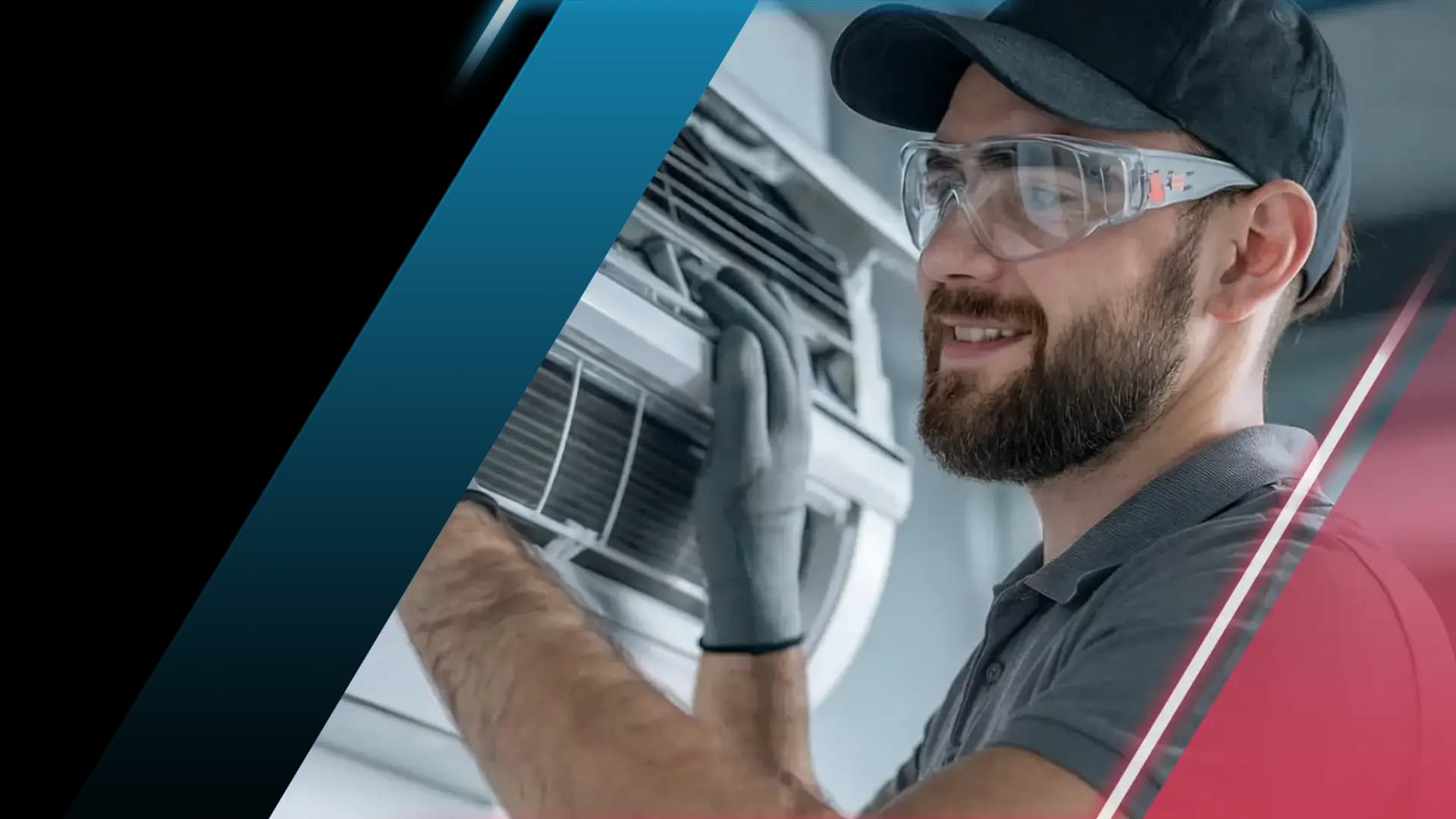
Why AC Problems Hit LA Apartments Harder
Strong AC cooling is not a luxury in a Los Angeles apartment. It is basic comfort. As spring turns to summer across Southern California, now is the time to check how your system is really performing before the first serious heat arrives.
Small cooling problems that feel like minor annoyances in April can become major headaches once temperatures climb and your building absorbs heat all day. Apartments have limited windows, shared walls, and often shared HVAC systems. That means little issues show up fast and can affect the whole building.
Season Control works with homes and apartments across Greater Los Angeles, the San Fernando Valley, Ventura County, and Orange County. We see the same patterns every year. Learning the early signs of AC trouble lets you catch problems sooner, stay comfortable, and reduce stress on your system during the months it works hardest.
Early Warning Signs Your Apartment AC Is Struggling
Your body usually notices AC problems before your brain does. You feel sticky, tired, or irritated without knowing why. Then you check the thermostat and something does not add up.
Watch for these temperature red flags. Rooms that never reach the temperature you set. Hot corners near large windows or in upper lofts. An AC that runs almost nonstop while the air still feels warm or muggy.
Noise and airflow also tell a story. In a small apartment, any change in sound stands out right away. Pay attention if you hear new rattling, buzzing, or grinding when the AC starts or stops. Weak airflow from vents even when the fan is on high is another sign. So is air from the vents that feels only slightly cool or lukewarm instead of crisp and cold.
Your electric bill can be a warning too. If your bill spikes during what should be a mild time of year, your AC may already be working too hard. That same problem will hit much harder once summer arrives in full force.
Common Cooling Problems Specific to LA Apartments
In apartments, airflow problems appear quickly because you have less space, more shared surfaces, and often fewer vents. One of the most common trouble spots is the air filter. When it is dirty or clogged with dust and pet hair, it slows everything down. Furniture or curtains blocking supply or return vents cause the same issue. Dust-coated vent grilles restrict airflow even further.
Thermostat placement is a big factor. If your thermostat sits on a warm interior wall, near a sunny window, or close to the kitchen, it reads the wrong temperature. That causes your system to short cycle or run longer than it should.
In buildings with shared HVAC, your comfort can be affected by thermostats that are out of calibration, systems that are not balanced between units, or controls that are locked so you cannot adjust settings. Rooftop condensers sit in direct sun, collect smog and grime, and fight hot air all day. Indoors, dust and dirt coat the coils. Drain lines clog. That buildup grows faster when outdoor air quality is poor, which is common across the LA basin during summer months.
How Southern California Climate and Building Design Affect Your AC
Not all LA apartments face the same kind of heat. Two units in the same neighborhood can feel completely different based on sun exposure and building design. If you are on a top floor or have large west-facing windows, you know how fast a room heats up in the late afternoon.
Microclimates matter across Southern California. The San Fernando Valley regularly hits 100 degrees or higher in summer, while coastal areas stay 15 to 20 degrees cooler. Some apartment units stay shaded while others take direct sun for hours.
Older buildings throughout Los Angeles often have thin or uneven insulation, single-pane or leaky windows, and gaps around doors and frames where cool air escapes. These structural issues force your AC to work harder and wear out faster. In 2026, with R-410A still the dominant residential refrigerant and energy costs continuing to rise in Southern California, an inefficient system costs you real money every month. Identifying and addressing building-related heat gain is just as important as maintaining the AC equipment itself.
Simple Steps You Can Take Before Calling for Repair
Before you schedule a service call, there are a few things you can check on your own. Start with the air filter. A dirty filter is the single most common cause of poor cooling in apartments. Replace it if it looks gray or clogged. Most apartment systems use standard one-inch filters that are inexpensive and easy to swap.
Make sure no furniture, curtains, or storage boxes are blocking your supply or return vents. Even partially blocked vents can reduce cooling throughout your entire unit. Clean dust from vent grilles with a damp cloth.
Check your thermostat settings. Make sure it is set to cool and that the fan is on auto rather than on. If your thermostat runs on batteries, replace them. A thermostat with dead batteries can cause your system to stop responding entirely.
If you have done all of this and your apartment still feels warm, the problem is likely deeper in the system. That is when you should call a licensed HVAC technician.
When to Call Season Control for Apartment AC Repair
Some AC problems need professional attention right away. Do not wait if you notice water leaking from your indoor unit, ice forming on refrigerant lines, a burning smell when the system runs, or the AC failing to turn on at all. These issues can cause water damage, mold growth, or electrical hazards in a tight apartment space.
If your system uses R-22 refrigerant, it is important to know that this refrigerant was fully phased out and is no longer produced or imported. Recharging an R-22 system is extremely expensive when reclaimed supplies are even available. In most cases, replacing the system with a modern R-410A or R-454B unit is the better long-term investment.
Season Control serves apartments and homes across Greater Los Angeles, the San Fernando Valley, Ventura County, and Orange County. Our technicians diagnose the actual cause of cooling problems rather than just treating symptoms. Call us at (818) 275-8487 to schedule a repair or inspection before the summer heat arrives.
Frequently asked questions
How often should I change the air filter in my LA apartment?
Most apartment AC systems need a new filter every 30 to 60 days. If you have pets, live near a busy road, or notice dust buildup quickly, check it monthly. A clean filter is the easiest way to maintain good airflow and cooling.
Why does my apartment AC run constantly but not cool the rooms?
This usually points to a dirty filter, low refrigerant, dirty coils, or a thermostat reading the wrong temperature. In apartments with poor insulation or large sun-facing windows, the system may also be undersized for the heat load. A technician can pinpoint the exact cause.
Can I fix apartment AC problems myself or do I need a professional?
You can replace filters, clear blocked vents, and check thermostat settings on your own. Anything involving refrigerant, electrical components, or internal mechanical parts requires a licensed HVAC technician. Working on shared building systems without authorization can also create liability issues.
My apartment still uses R-22 refrigerant. What should I do?
R-22 production and import ended permanently. Reclaimed R-22 is scarce and very expensive. If your system needs a recharge, replacing the entire unit with a modern system using R-410A or R-454B refrigerant will save you money over time and improve efficiency.
When is the best time to schedule AC maintenance in Los Angeles?
Spring is the best time. Scheduling a tune-up in March, April, or early May lets you catch problems before summer demand peaks. HVAC companies are less busy, and you avoid waiting for service during a heat wave when everyone calls at once.
Need help with your HVAC system?
Season Control serves Greater Los Angeles, San Fernando Valley, Ventura County, and Orange County.
Schedule service