
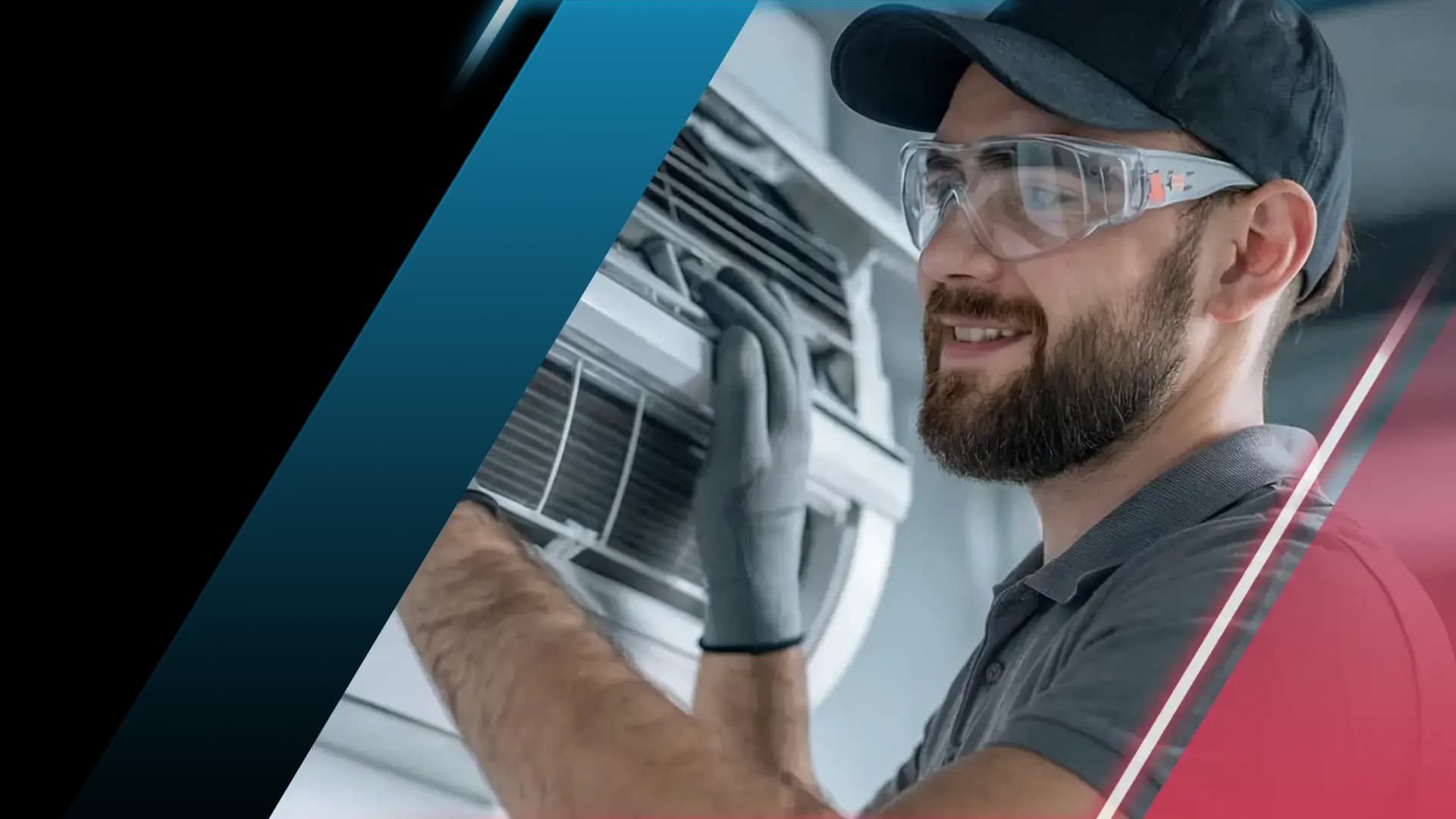
When a Routine AC Cleaning Uncovers Bigger Problems
AC cleaning sounds straightforward. Clear the dust, freshen the air, and get ready for summer. Many Los Angeles homeowners schedule it before the heat arrives so the system smells better and runs smoother. Then the technician opens the panel and finds something unexpected.
A refrigerant leak. A blower motor that barely turns. Wiring with burn marks. What started as a quick cleaning visit becomes a serious conversation about comfort, safety, and future repairs.
Problems like these hide behind normal operation. Your AC still turns on, so everything seems fine. But stressed components work harder every cycle, driving up energy bills and shortening the life of the equipment. Catching these issues during a cleaning visit is far better than discovering them during a July heat wave when repair schedules are backed up across the city.
Season Control technicians are trained to look beyond surface dust. Every cleaning includes a close inspection of the parts that matter most. Call us at (818) 275-8487 if your system has not been professionally cleaned this year.
Why Los Angeles Homes Face Extra AC Stress
Southern California weather keeps cooling systems running for months at a stretch. Los Angeles does not see the dramatic temperature swings of other regions, but long warm seasons from April through October add thousands of hours of run time. That constant use wears on motors, capacitors, and electrical connections.
Urban conditions make things worse. Smog, road dust, and wildfire ash collect on outdoor condensers and indoor coils. In neighborhoods closer to the coast, salt moisture mixes with that grime and creates sticky buildup that basic rinsing will not remove. Filters clog faster, and coils lose their ability to transfer heat efficiently.
Many homes in the Greater Los Angeles area also have older ductwork or electrical systems that have been through multiple remodels. We regularly see AC systems that were added after the original construction, or equipment that was replaced without updating the ducts. During a cleaning, those mismatched or aging components show up as uneven temperatures, restricted airflow, or wiring that needs immediate attention.
All of these factors mean an AC cleaning in Los Angeles is really a full system health check.
Hidden Electrical and Safety Issues Found During Cleaning
Opening panels and accessing tight spaces often reveals problems that are invisible from the thermostat. Electrical issues are some of the most common and most serious findings.
Loose or burned wiring inside the condenser or air handler is a fire risk. Overheated components leave dark spots on circuit boards. Bulging capacitors can fail without warning and leave the compressor or fan motor unable to start. Damaged electrical disconnects may be unsafe to operate.
These problems develop slowly over time. Heat cycling, vibration, and moisture all degrade connections. A system can run for months with a weakened capacitor or a loose wire before it finally fails. The cleaning visit gives a technician the access needed to spot these issues while they are still repairable.
If your AC trips the breaker, makes a clicking sound at startup, or smells like hot plastic, do not wait for a scheduled cleaning. Call Season Control at (818) 275-8487 right away. We serve the San Fernando Valley, Ventura County, Orange County, and the Greater Los Angeles area.
Refrigerant Leaks, Dirty Coils, and Airflow Problems
Performance issues are the second major category of hidden problems found during AC cleaning. They do not pose the same immediate safety risk as electrical faults, but they waste energy and shorten equipment life.
Low refrigerant levels cause the evaporator coil to freeze. With the R-22 phase-out now complete in 2026, any older system still running on that refrigerant faces expensive consequences if a leak develops. Modern systems use R-410A or newer R-454B, but leaks in any refrigerant type hurt cooling capacity and must be repaired before recharging.
Heavily soiled coils block heat transfer. A coil caked with dust and debris forces the compressor to work harder and longer. Blocked condensate drains lead to water leaks, moisture buildup, and potential mold growth near the air handler.
Very dirty blower wheels reduce airflow throughout the house. The motor strains to push air through the system, drawing more electricity and producing less comfort. Rooms far from the air handler feel warm while closer rooms stay cool. These imbalances are often blamed on duct problems, but sometimes the blower wheel itself is the cause.
Duct Damage and Air Quality Red Flags
Ductwork problems often go unnoticed for years because the ducts are hidden in attics, walls, and crawlspaces. A thorough AC cleaning gives technicians a reason to inspect these areas.
Common findings include crushed or torn flex ducts in attic spaces where insulation has shifted or someone stepped on a run. Disconnected joints leak conditioned air into the attic, wasting energy and making certain rooms impossible to cool. In older Los Angeles homes, we sometimes find original metal ductwork with gaps at the seams or missing insulation.
Air quality concerns show up during cleaning as well. Heavy dust or debris inside return ducts means the system is circulating particles throughout the house. Mold growth near evaporator coils, drain pans, or damp insulation sends spores into the air supply every time the fan runs. Signs of rodent or pest activity inside duct runs are especially common in homes built before the 1980s.
These are not cosmetic issues. They affect the air your family breathes. If a technician flags any of these during a cleaning, follow up with a proper inspection and repair plan.
What These Discoveries Mean for Your Comfort and Budget
A working thermostat does not mean a healthy system. Problems revealed during cleaning usually show up in daily comfort long before the AC fully stops.
When airflow is restricted, ducts are damaged, or the blower motor is weak, you may notice some rooms never get cool. The AC runs long cycles without reaching the set temperature. Energy bills climb even though you have not changed your habits. These are signs that the system is compensating for a problem it cannot fix on its own.
Ignoring these findings leads to bigger expenses later. A small refrigerant leak becomes a failed compressor. A dirty blower wheel becomes a burned-out motor. A disconnected duct run in a hot attic means your system fights an impossible battle every afternoon.
Early detection during a cleaning visit keeps repair costs manageable. It also helps you plan ahead. If your system is 12 to 15 years old and showing multiple issues, that information helps you budget for a replacement before an emergency forces a rushed decision. Season Control provides honest assessments so you can make informed choices. Reach us at (818) 275-8487.
Frequently asked questions
How often should I schedule professional AC cleaning in Los Angeles?
Most Los Angeles homes benefit from professional AC cleaning at least once a year, ideally in spring before the long cooling season begins. Homes near busy roads, in wildfire-prone areas, or with pets may need cleaning twice a year to keep coils and filters performing well.
Can a dirty AC cause mold in my house?
Yes. A clogged condensate drain or dirty evaporator coil creates damp conditions where mold thrives. Every time the blower runs, it can push mold spores into your living spaces. If you smell a musty odor from your vents, schedule an inspection promptly.
What should I do if my AC still uses R-22 refrigerant?
R-22 production and import ended permanently, so remaining supplies are extremely limited and expensive. If your system uses R-22 and develops a leak, recharging is often not cost-effective. Talk to a technician about upgrading to a modern system that uses R-410A or R-454B.
How do I know if my ducts are damaged?
Common signs include rooms that stay warm while others cool normally, higher than expected energy bills, visible dust blowing from vents, and whistling or hissing sounds near duct connections. A technician can inspect attic and crawlspace duct runs during a cleaning visit.
Is an AC cleaning the same as a tune-up?
Not exactly. A cleaning focuses on removing dirt from coils, filters, and drain lines. A tune-up includes cleaning but also covers electrical testing, refrigerant level checks, thermostat calibration, and a full safety inspection. A tune-up provides a more complete picture of system health.
Need help with your HVAC system?
Season Control serves Greater Los Angeles, San Fernando Valley, Ventura County, and Orange County.
Schedule service