
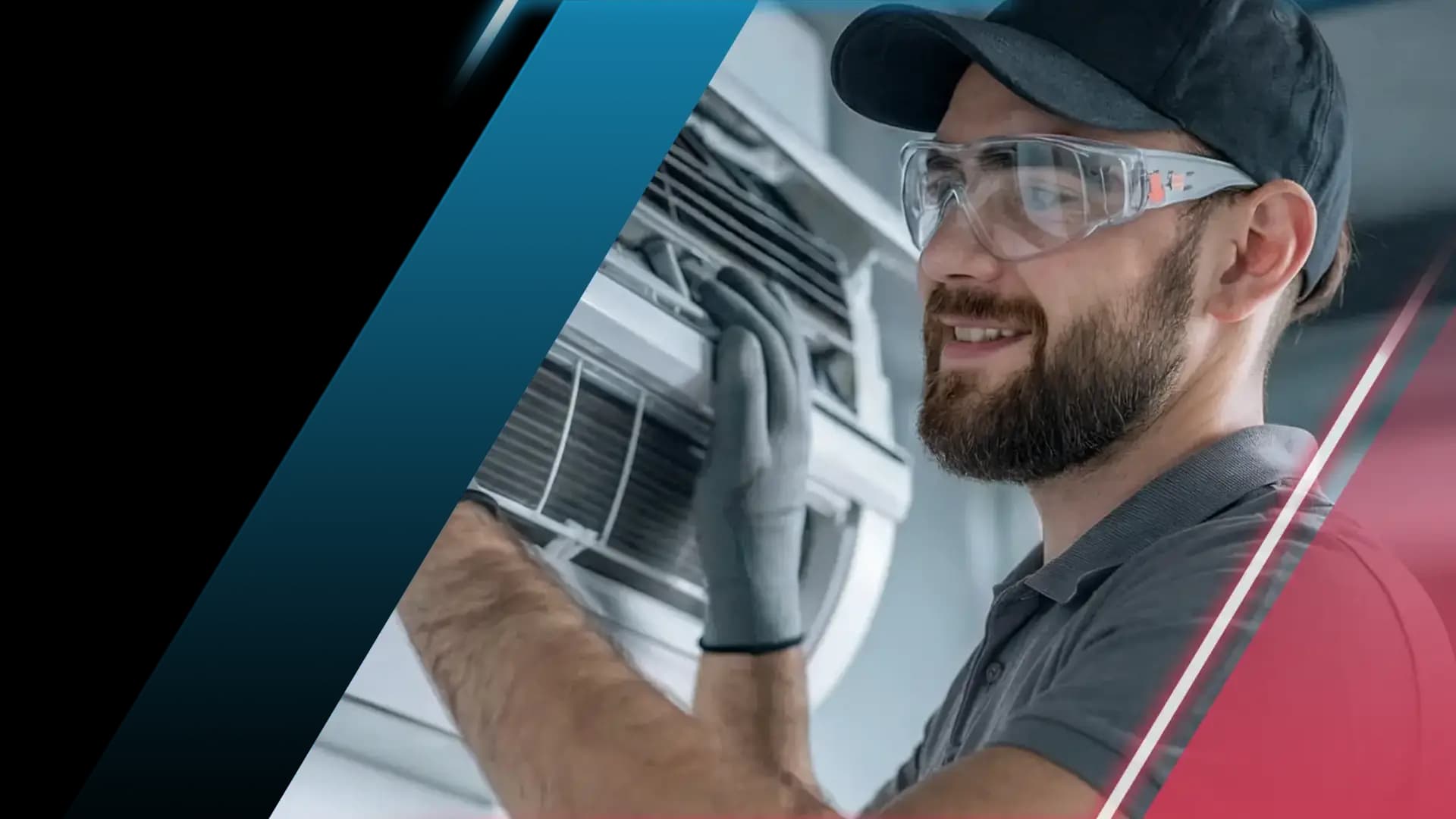
Why Early Spring Is the Best Time to Test Your AC in Los Angeles
Los Angeles spring weather is mild enough to live without air conditioning for a few days. That makes it the ideal window to test your system before triple-digit Valley heat arrives. If something is wrong, you have time to fix it without sweating through the wait.
After sitting idle through winter, your air conditioner can develop small problems. Dust settles on internal parts. Moving components get sticky. Electrical connections can loosen. These issues are minor when caught early but can cause a full breakdown under heavy summer demand.
A quick start-up test takes just a few minutes. Turn the system on, let it run for 15 to 20 minutes, and pay attention to cooling, airflow, sounds, and smells. If anything seems off, you can work through the steps below before deciding whether to call a professional.
Start at the Thermostat Before You Panic
When your AC is not cooling, check the thermostat first. It controls when the system runs and how cool your home gets. One wrong setting can make it seem like the entire unit has failed.
Run through these basics. Make sure the mode is set to Cool, not Heat or Off. Set the target temperature a few degrees below the current room reading. Set the fan to Auto, not Off. Look for a low battery icon, dim screen, or blank display.
Many homeowners leave winter settings in place without thinking. Smart thermostats can also slip into Eco or Away modes that hold temperatures higher to save energy. This feels like the AC is not working when it is actually following its programming.
Simple fixes include replacing batteries, adjusting schedules, and reconnecting Wi-Fi so smart features respond correctly. If the screen shows error codes, the system short-cycles on and off rapidly, or you suspect a wiring problem, stop there. Let a technician inspect the controls so you do not damage the equipment.
What to Do When Your AC Will Not Turn On at All
If nothing happens when you lower the thermostat, work through a few safe checks before assuming the worst.
First, find the indoor unit switch. Most systems have a small switch near the furnace or air handler that looks like a light switch. It can be bumped off by accident. Second, check that the outdoor disconnect switch is in the On position. Third, look at your main electrical panel for a tripped breaker labeled AC or Air Conditioner.
If you find a tripped breaker, reset it once. Flip it fully off, then back on. Listen for the system to start. If the breaker trips again immediately, or you hear humming but no fan starts, something deeper is wrong.
A tripped breaker can point to an overloaded circuit, a short in the wiring, a motor struggling to start, or excess grime putting strain on components. Do not keep flipping the breaker repeatedly. That stress can damage your system and create a safety risk. If the breaker will not hold, if you smell burning, or if nothing happens after one reset, call a licensed HVAC technician.
Weak Airflow and Rooms That Still Feel Warm
Sometimes the AC runs but the house stays sticky and warm. The vents push a little air, but not enough to make a difference. Weak airflow is one of the most common complaints during spring start-up in Southern California homes.
Start with the air filter. A clogged filter is the number one cause of restricted airflow. If the filter has been in place all winter collecting dust, replace it with a fresh one before doing anything else. Check that all supply vents and return grilles are open and not blocked by furniture, rugs, or curtains.
If airflow is still weak after those checks, the problem may be deeper. Dirty evaporator coils, a failing blower motor, or leaky ductwork can all reduce the air reaching your rooms. Homes in the San Fernando Valley with ducts running through hot attics are especially prone to duct-related airflow loss.
These issues require professional diagnosis. A technician can measure static pressure, inspect the blower, and check duct integrity to find exactly where the airflow is dropping off.
Strange Noises and Unusual Smells During Start-Up
Your AC should run with a steady hum. Any sound that stands out deserves attention. Grinding, squealing, or banging can indicate a loose fan blade, a worn belt, or a failing motor bearing. Clicking at the outdoor unit that does not lead to the compressor starting may signal a relay or capacitor problem.
Smells matter too. A brief dusty odor during the first few minutes of the season is normal. That is just dust burning off the heat exchanger or coils. But if the smell lingers or turns sharp and electrical, shut the system off and call for service. A musty or moldy smell points to moisture buildup inside the unit or ductwork, which is a common issue in coastal Los Angeles areas with higher humidity.
Do not ignore these warning signs. Running the system through persistent noise or burning smells can turn a small repair into an expensive failure.
When to Stop Troubleshooting and Call a Professional
Basic troubleshooting is safe and smart. But there is a clear line between homeowner checks and work that requires a trained technician.
Call a professional if the breaker trips more than once, if you smell something burning, if the system short-cycles on and off, if you hear grinding or banging from the outdoor unit, or if the AC blows warm air after running for 20 minutes or more.
In 2026, all residential systems in the U.S. use R-410A or newer refrigerants. The R-22 phase-out is fully complete. If your system still runs on R-22, replacement rather than repair is almost always the better investment. A licensed technician can help you evaluate your options and check for available efficiency rebates.
Season Control Heating and Air Conditioning serves the Greater Los Angeles area, the San Fernando Valley, Ventura County, and Orange County. Call (818) 275-8487 to schedule a spring start-up inspection or repair before summer demand makes scheduling harder.
Frequently asked questions
Why is my AC not cooling even though it turns on?
The most common causes are a clogged air filter, incorrect thermostat settings, or a smart thermostat stuck in Eco or Away mode. Check the filter first, then verify the thermostat is set to Cool with a target temperature below the current room reading. If neither fix helps, the issue may be low refrigerant or a failing component that needs professional diagnosis.
Is it safe to reset a tripped AC breaker?
You can safely reset it once. Flip the breaker fully off, then back on. If it trips again immediately, do not keep resetting it. Repeated trips indicate an electrical short, a failing motor, or another problem that requires a licensed HVAC technician to inspect.
How often should I replace my AC air filter?
Most filters should be replaced every 30 to 90 days depending on the filter type, household dust levels, and whether you have pets. In dusty areas of the San Fernando Valley, monthly replacement during heavy-use months is a good practice.
What does a burning smell from my AC mean?
A brief dusty smell during the first start-up of the season is normal. If the smell is sharp, electrical, or lasts more than a few minutes, shut the system off immediately. This can indicate overheating wiring or a failing motor. Call a technician before running the system again.
When should I schedule a professional AC tune-up in Los Angeles?
Early spring, ideally February through April, is the best time. Technicians are less booked and you have time to handle any repairs before summer heat arrives. Waiting until June or July often means longer scheduling delays and uncomfortable wait times.
Need help with your HVAC system?
Season Control serves Greater Los Angeles, San Fernando Valley, Ventura County, and Orange County.
Schedule service