
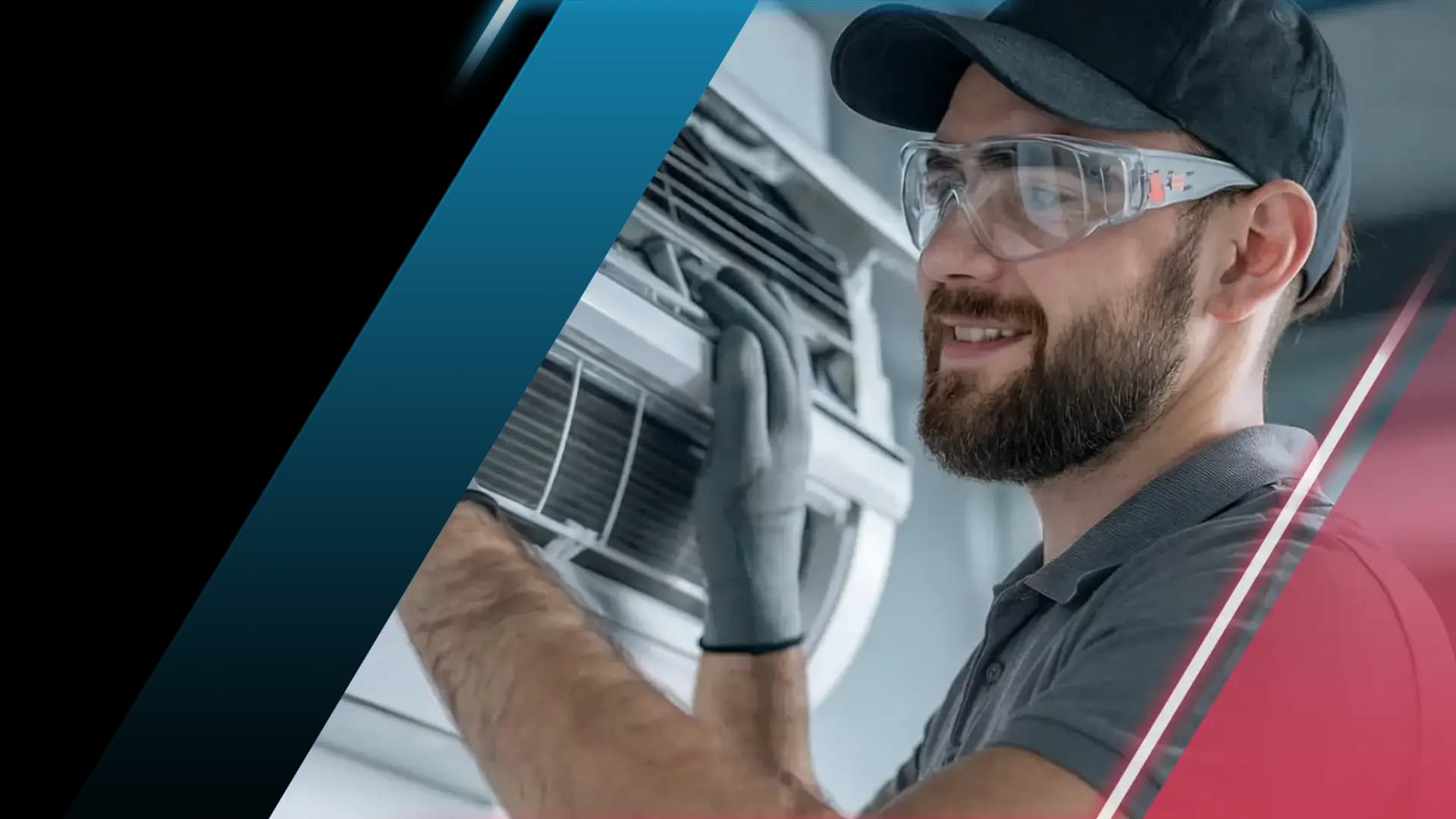
How to clean air conditioner coils safely
Turn off power at the breaker box before touching any part of the system. This protects you and prevents electrical damage.
Remove the access panels. For indoor units, unscrew the panel near the evaporator coil. For outdoor units, open the side panels to reach the condenser coil.
Spray the coils with a foaming coil cleaner or no-rinse spray. Apply evenly and let it sit for 5 to 10 minutes so it can break down the buildup.
For evaporator coils (indoor), wipe gently with a soft brush or cloth. For condenser coils (outdoor), rinse with low-pressure water from a garden hose. Never use a pressure washer. High pressure bends the delicate coil fins.
Let everything dry completely before reattaching panels and turning power back on. Run the system and confirm it is cooling properly.
Why dirty coils cost you money
When dust, grime, and pet hair coat the coils, they block heat transfer. The system has to run longer to cool the same space, which burns more electricity and drives up your monthly bill.
Clogged coils also choke airflow. Rooms feel warmer, humidity rises, and the compressor works harder than it should. Over time, this extra strain shortens equipment life and leads to repairs that cost far more than a cleaning would have.
Which coil cleaner to use
Indoor evaporator coils: use a gentle foaming cleaner or no-rinse spray safe for aluminum. These dissolve dust and light mold without harsh chemicals.
Outdoor condenser coils: a stronger foam formula works well here, as long as it is safe for painted or coated metal surfaces.
Avoid acid-based products, bleach, or oven cleaner. They clean aggressively but can corrode coil fins and damage the surface coating.
A mild mix of dish soap and warm water handles light surface dust but will not remove grease or heavy buildup. For most homeowners, a purpose-made coil cleaner is the safest choice.
Other components to check after coil cleaning
Replace the air filter so fresh dust does not immediately coat the clean coils.
Flush the condensate drain line with vinegar to prevent clogs and mold growth.
Wipe the blower fan blades if visible dust has accumulated.
Clear leaves, grass, and debris from around the outdoor unit. Keep at least 12 inches of clearance on all sides for proper airflow.
Doing these checks twice a year keeps the system efficient and the air cleaner.
Professional coil cleaning from Season Control
A full coil cleaning is included in our annual maintenance service. Our technicians use commercial-grade cleaners, straighten bent fins, inspect the coils for corrosion, and test system performance before and after cleaning.
If your coils have not been cleaned in over a year, or if your energy bills have been creeping up, a professional cleaning is the fastest way to restore cooling output. We serve Los Angeles, San Fernando Valley, Ventura County, and Orange County with same-day availability.
Frequently asked questions
What is an evaporator coil?
The evaporator coil sits inside your home and absorbs heat from indoor air. Warm air passes over the cold coil, cools down, and circulates back through your vents. When this coil is dirty, cooling performance drops.
How do I know if my coils are dirty?
Common signs include longer run times, rooms that stay warm despite the AC running, reduced airflow from vents, musty odors, and higher energy bills. If the system struggles to reach the set temperature, dirty coils are a likely cause.
Can I clean AC coils myself?
Yes, if you follow the steps carefully. Always turn off power at the breaker first. Use a soft brush and a cleaner made for AC coils. Be gentle with the coil fins because they bend easily.
How often should I clean AC coils?
Once or twice a year for most homes. Households with pets, heavy dust, or year-round system use may need cleaning every six months. Annual professional maintenance handles this automatically.
Why do condenser coils need more attention than evaporator coils?
Condenser coils sit outdoors and collect leaves, grass clippings, dirt, and debris constantly. This buildup blocks airflow and forces the system to work harder. Rinsing the outdoor coils with a garden hose once or twice a year keeps them clear.
Need help with your HVAC system?
Season Control serves Greater Los Angeles, San Fernando Valley, Ventura County, and Orange County.
Schedule service