
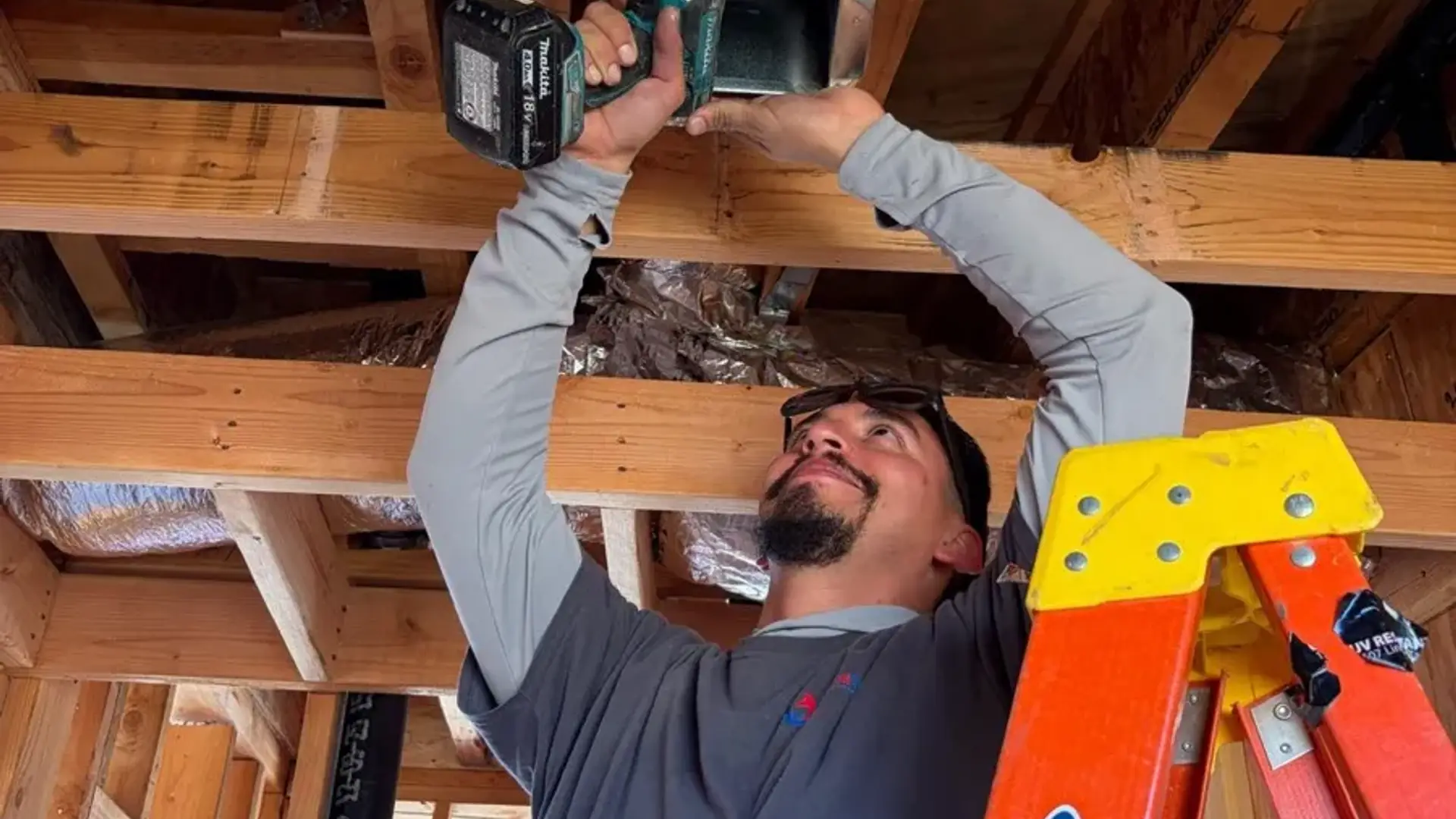
Why Hidden Dirt Inside Your AC Cuts Cooling Power
Strong AC is not a luxury in Los Angeles. It is a daily necessity from spring through fall. When your system turns on but the air feels weaker than it used to, hidden buildup is often the cause.
Dust, debris, and grime collect inside your equipment over time. You may not see any of it from the outside. But inside, that buildup can block airflow, insulate parts that need to release heat, and force the system to run longer for the same amount of cooling.
Because the AC still turns on, these problems are easy to ignore. Nothing is leaking. Nothing is smoking. The thermostat still clicks. But the quiet strain adds up. You get higher energy bills, faster wear on components, and a greater risk of breakdown during a July heat wave.
Professional AC cleaning is not about making things look neat. It restores clear airflow, helps the system remove heat the way it was designed to, and catches small troubles before they become expensive repairs.
Clogged Air Filters That Strangle Airflow
Los Angeles air carries a heavy load. Dust from busy streets, pollen from trees, and particles from urban life all end up in your return vents and AC filter.
Many filter packages say to change them every 90 days. In a real LA home, that schedule can be far too long. Pet hair, open windows, nearby traffic, or recent home projects can fill a filter much faster. A clogged filter is like putting a hand over your system's mouth.
A dirty filter causes weak airflow at the vents, hot and cold spots from room to room, and a home that never quite reaches the set temperature. The system works harder to pull air through that thick dust layer. That extra strain shortens the life of key parts and raises your utility bills.
Check your filter every month during spring and summer. If it looks gray and packed, swap it out. The right MERV rating matters too. Some filters catch more dust but restrict airflow too much for certain equipment. A technician from Season Control can recommend a filter that balances clean air with strong airflow for your specific system.
Dirty Coils That Block Heat Removal
Your AC does not create cold air from nothing. It moves heat from inside your home to the outside using two sets of coils.
The evaporator coil sits inside near the blower. Warm indoor air passes over this cold coil, the coil absorbs heat, and the air that flows past becomes cooler. The condenser coil sits in the outdoor unit. It releases that absorbed heat into the outdoor air as the fan blows across it.
When either coil gets dirty, it acts like a blanket over the surface. In Southern California, that buildup comes from smog film, road dust, coastal salt in the air, and nearby construction debris. Leaves and yard material can pack against the outdoor unit as well.
A dirty evaporator coil reduces the amount of heat the system can absorb. A dirty condenser coil traps heat that should be leaving. Both problems force the compressor to work harder and longer. That drives up electricity costs and accelerates wear on the most expensive component in your system. Professional coil cleaning restores full heat transfer and keeps your AC running efficiently.
Blocked Drain Lines and Condensate Issues
When your AC removes heat from indoor air, it also pulls moisture out. That moisture drips off the evaporator coil into a drain pan and flows through a condensate drain line.
Over time, algae, mold, and dust can clog that line. When the drain backs up, water collects in the pan. In some systems, a safety switch shuts the AC off entirely to prevent water damage. In others, the water overflows and causes damage to walls, ceilings, or flooring.
Los Angeles humidity levels may not match Florida, but our spring and early summer months bring enough moisture to create these problems. Homes near the coast or in the San Fernando Valley see condensate buildup regularly.
A clogged drain line can also raise indoor humidity, making your home feel warmer than the thermostat reading. You end up lowering the set temperature, which costs more money without fixing the root issue. A technician can flush the line, treat it to slow future buildup, and confirm the safety switch works correctly. This simple maintenance step prevents water damage and keeps your cooling consistent.
Dirty Blower Components and Ductwork Buildup
The blower fan pushes conditioned air through your ductwork and out of your vents. When dust coats the blower wheel or motor, it reduces the volume of air the fan can move. You feel less air coming from each vent even though the system sounds like it is running normally.
Ductwork adds another layer to the problem. Older homes across Los Angeles and the San Fernando Valley often have ducts that have not been inspected in years. Dust, pet dander, and debris settle inside the ducts and restrict airflow. Gaps or disconnected sections in the duct system can also leak cooled air into attics or crawl spaces where it does no good.
Cleaning the blower assembly and inspecting the ductwork restores the full delivery path from your AC to every room. This is especially important in homes with long duct runs or multiple stories, where any restriction compounds the loss of cooling by the time air reaches distant vents.
How Professional AC Cleaning Restores Full Performance
A thorough professional cleaning covers every part of the airflow and heat transfer chain. At Season Control Heating and Air Conditioning, a maintenance visit addresses filters, coils, drain lines, blower components, and electrical connections.
The technician inspects for early signs of wear, checks refrigerant levels, and verifies that the system operates within manufacturer specifications. All residential systems in 2026 run on modern refrigerants like R-410A or newer R-454B blends, so any refrigerant service must be handled by a certified professional.
Scheduling a cleaning before the heavy summer heat in Southern California gives you two advantages. First, you avoid the rush of emergency calls that flood HVAC companies in June and July. Second, you catch small problems when they are inexpensive to fix instead of after they cause a mid-summer breakdown.
If your AC runs but does not cool the way it used to, call Season Control at (818) 275-8487. We serve the Greater Los Angeles area, San Fernando Valley, Ventura County, and Orange County.
Frequently asked questions
How often should I change my AC filter in Los Angeles?
Check your filter every month during spring and summer. In most LA homes, replacement every 30 to 60 days works best. Homes with pets, nearby construction, or heavy street traffic may need monthly changes year round.
Can a dirty AC still turn on and run normally?
Yes. A system with dirty coils, clogged filters, or blocked drain lines will often start and run. But it delivers less cooling, uses more electricity, and wears out components faster. The problems build quietly until performance drops noticeably or a part fails.
What causes hot and cold spots when the AC is running?
Restricted airflow is the most common cause. A clogged filter, dirty blower wheel, or ductwork blockage reduces the volume of air reaching certain rooms. Rooms farthest from the air handler are affected first. Professional cleaning and duct inspection can restore balanced airflow.
How do dirty coils affect my electricity bill?
Dirty coils force the compressor to run longer and harder to move the same amount of heat. This increases electricity consumption significantly. Clean coils allow efficient heat transfer, which keeps run times shorter and monthly energy costs lower.
When is the best time to schedule AC cleaning in Southern California?
Late winter or early spring is ideal. You get ahead of the summer rush and ensure your system is ready before temperatures climb. Waiting until June or July often means longer wait times for service appointments and higher risk of a breakdown during peak heat.
Need help with your HVAC system?
Season Control serves Greater Los Angeles, San Fernando Valley, Ventura County, and Orange County.
Schedule service